


-

Add: HeBei ShengShi HongBang Cellulose Technology CO.,LTD.
-

Email
13180486930@163.com -

CONTACT US
+86 13180486930




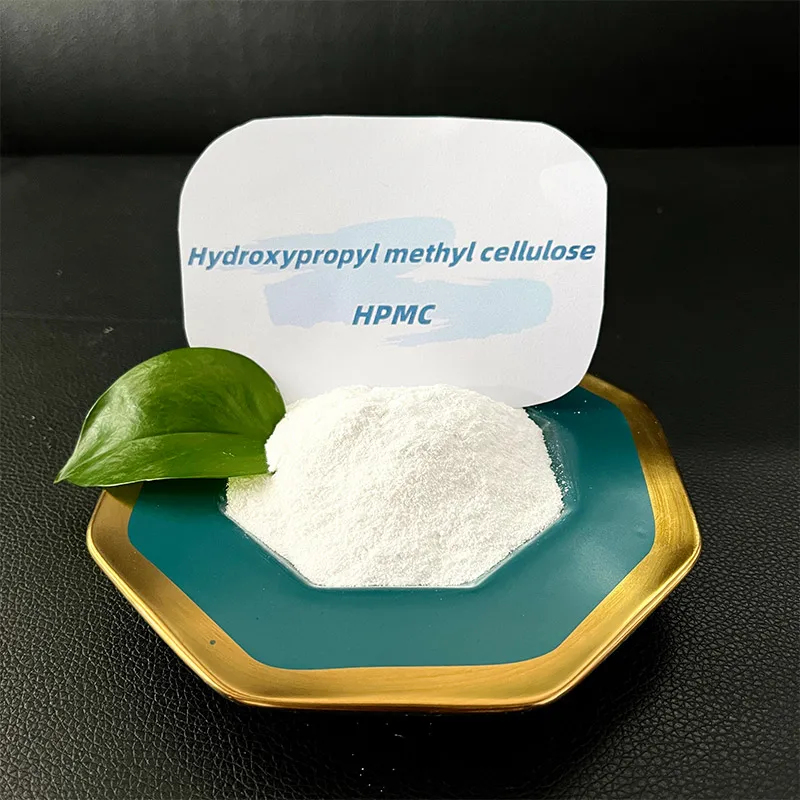
Hydroxypropyl methylcellulose (HPMC) is a multi-functional polymer that garners extensive attention across various industries due to its impressive solubility characteristics in water and a wide array of applications. As an industry veteran with years of firsthand experience, I have witnessed how the solubility of HPMC in water significantly enhances product performance, making it a go-to choice for formulators. To understand HPMC's solubility in water, it is crucial to first delve into its chemical structure. HPMC is a non-ionic cellulose ether derived from alkali cellulose through a reaction with methyl chloride and propylene oxide. This distinctive structure is pivotal to its solubility. When HPMC is dispersed in cold water, it hydrates and swells rapidly, forming clear solutions or gels depending on the temperature and concentration. Its solubility in cold water renders it highly versatile, allowing it to be utilized in various dosages and applications. One factor that influences HPMC’s solubility is the degree of substitution (DS) and the molar substitution (MS). A higher degree of substitution results in more hydrophobic methoxy and hydroxypropyl groups on the cellulose backbone, enhancing its water solubility. Industrial applications leverage this property by selecting HPMC grades with optimal DS and MS to tailor performance for specific requirements. For instance, in the pharmaceutical domain, this characteristic is essential for controlled drug delivery systems, where HPMC acts as a rate-controlling agent. Temperature plays a significant role in the solubility dynamics of HPMC. Known for its reversible thermal gelation properties, HPMC will dissolve in cold water but can precipitate out of solution when exposed to rising temperatures, exhibiting gel formation. This unique property is expertly harnessed in construction applications, where HPMC is utilized to improve the water retention and workability of cement-based materials. Mastery of this thermoreversible behavior allows product developers to fine-tune formulations for enhanced efficiency and performance reliability. hpmc solubility in water My professional involvement with HPMC spans a broad spectrum of industries. In personal care products, its water solubility is an asset in formulating non-sticky lotions and creams that offer consistent viscosity over a range of temperatures. In the food industry, as a thickener or stabilizer, HPMC promises uniformity and stability, maintaining product integrity under varying storage conditions. The transparency and viscosity of HPMC solutions make them ideal for eye drops and other ophthalmic preparations, where clarity and uniform distribution of active ingredients are paramount. Despite its advantages, HPMC’s solubility in water poses challenges . For instance, incorrect dispersion can lead to clumping, which compromises the efficiency and clarity of solutions. Through my experience, I recommend the gradual addition of HPMC to the vortex of a well-stirred cold water solution to prevent lump formation. This method ensures even hydration and dissolution, maximizing the functional benefits of HPMC for the intended application. Regulatory compliance and product consistency are of utmost importance in any formulation involving HPMC. Adherence to standards set by bodies such as the U.S. Pharmacopeia (USP) fortifies the trustworthiness of HPMC-based products, providing assurance that they meet safety and efficacy benchmarks essential for consumer confidence. In conclusion, the solubility of HPMC in water is a defining feature that enhances its application potential across industries. By leveraging its unique properties, formulators can innovate and produce high-performance products with the reliability and efficacy that modern consumers demand. By sharing my expertise and insights, I aim to empower industry professionals to make informed decisions that capitalize on HPMC’s immense capabilities.
- 40000tons

Production
- 20+years

Experience
- 5000+㎡

Acreage

-

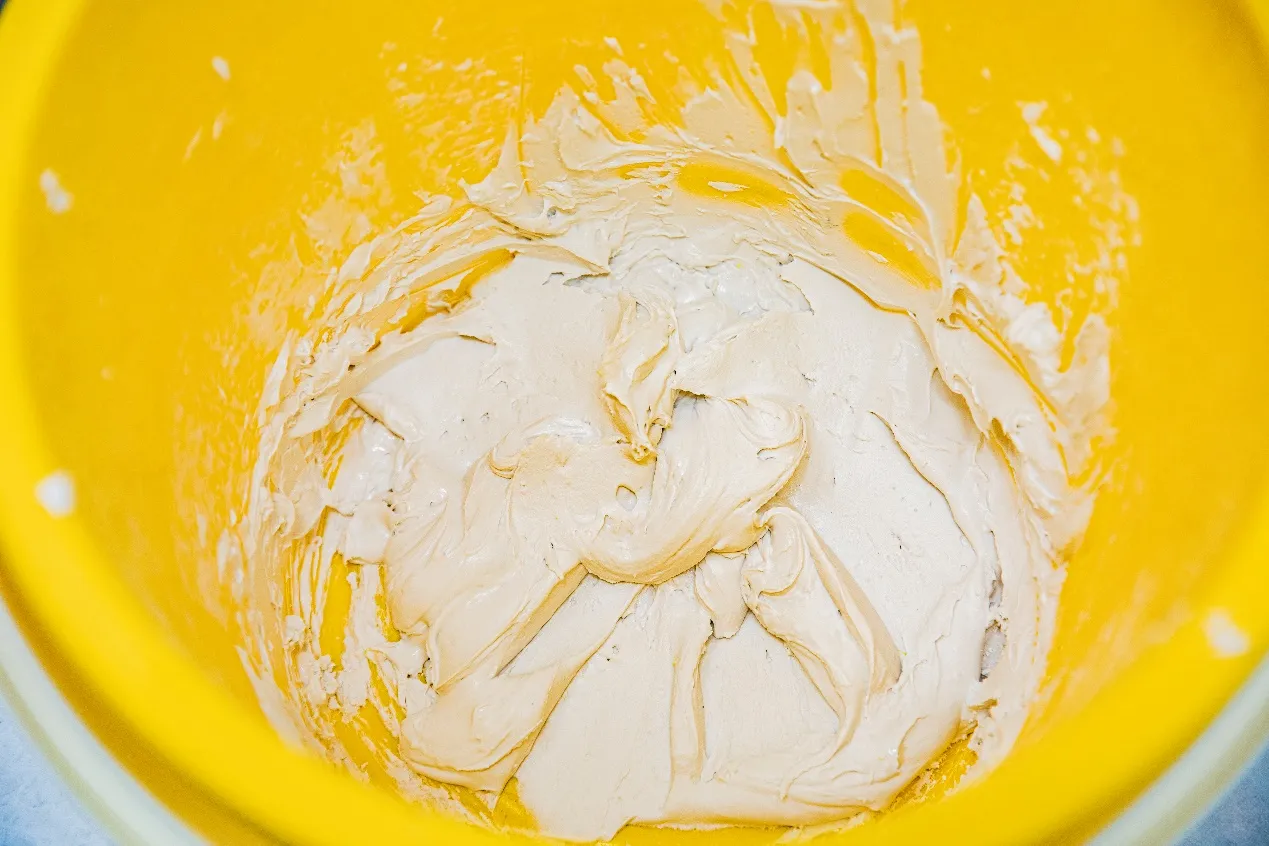
On the previous day, the technical team of the company convened at the office to conduct a comprehensive experimental demonstration focusing on Hydroxypropyl Methylcellulose (HPMC). This session was meticulously organized to showcase the exceptional high viscosity properties of HPMC, a critical attribute that underlines its versatile applicability across various industries. The demonstration aimed to provide stakeholders, including researchers and potential clients, with a clear understanding of how HPMC performs under specific conditions, emphasizing its efficacy as a thickening, binding, and stabilizing agent. Throughout the event, the technical personnel engaged in detailed discussions and hands-on presentations, illustrating the various methods of integrating HPMC into formulations and processes. The outcomes highlighted not only the material's effectiveness in enhancing product consistency and texture but also its role in improving the overall performance of formulations across diverse applications. By meticulously examining the high viscosity characteristics, the team aimed to solidify the company’s position as a leader in supplying innovative and reliable solutions tailored to meet industry demands. This demonstration serves not only as a platform for knowledge sharing but also as a strategic initiative to foster collaboration and build stronger partnerships with entities that rely on advanced materials. The insights and data gathered during this session will contribute to ongoing research and development efforts, ultimately facilitating the introduction of new products that harness the unique benefits of HPMC. Overall, the successful execution of this experiment underscores the company's commitment to technological advancement and excellence in service delivery, thereby reinforcing its reputation in the market as a trusted provider of specialty chemicals and materials. We specialize in high-quality cellulose products that cater to a diverse range of industries and applications. Our extensive experience in the field allows us to provide you with a seamless export experience, characterized by reliability and excellence. Our team is dedicated to working closely with you to understand your specific needs and requirements, ensuring that we deliver products that not only meet but exceed your expectations. We believe that a successful business relationship is built on trust, transparency, and mutual growth, and we are here to provide you with the necessary support and guidance every step of the way. Whether you are looking to enhance your product line or expand your market reach, our cellulose products are designed to add value to your offerings. Don't hesitate to reach out to us; we are eager to assist you and discuss how we can work together to achieve your business goals. Together, we can reject the pitfalls of traditional manufacturing processes and embrace a future defined by quality and integrity in all our products. Welcome to our community of excellence, where your success is our priority!
-
Hydroxypropyl methylcellulose (HPMC) is increasingly gaining popularity in various industries, from pharmaceuticals to food production, prompting consumers to question its safety. Leveraging extensive research, experience, and expert insights can provide a nuanced understanding, assuring consumers of its use. HPMC is a chemically modified cellulose widely used for its stabilizing, thickening, and emulsifying properties. It is primarily found in the formulation of tablets, capsules, and as a vital component in gluten-free and vegan products. This versatility raises both interest and concern regarding its consumption. From a professional standpoint, HPMC is considered safe for consumption and use. Both the Food and Drug Administration (FDA) and the European Food Safety Authority (EFSA) have approved its use, underscoring its safety when used within prescribed limits. Clinical studies have highlighted its non-toxic and non-carcinogenic nature, even in long-term exposure. As an inert compound, it doesn't alter the properties or efficacy of active pharmaceutical ingredients, attesting to its safety and efficacy. Users and manufacturers often express their satisfaction with HPMC's performance due to its inert properties. It's appreciated particularly in the pharmaceutical industry where its use as an excipient ensures the efficiency of drug delivery without adverse interactions. Real-life applications underscore its safety, highlighting exemplary results, especially in drug formulation where consistency in performance is critical. hydroxypropyl methylcellulose is it safe In the food industry, where HPMC acts as a stabilizer and emulsifier, it has transformed the landscape for particular dietary products, addressing the needs of individuals seeking gluten-free and vegan options. Consumers have reported positive experiences, noting improvements in texture and palatability without compromising safety. Such experiential data, coupled with scientific evidence, strengthens consumer confidence and trust in the product. Critically, ongoing research continuously supports HPMC's safety profile. This ongoing work aids in addressing emerging concerns, ensuring that the data remains relevant and insightful. Authorities routinely revisit the guidelines for HPMC’s usage limits, promptly updating them backed by contemporary findings, thereby reaffirming its position as a safe additive. It's crucial for manufacturers to adhere to the specified guidelines, utilizing HPMC within the recommended concentrations to ensure consumer safety effectively. Misapplication or deviation from established norms could inadvertently raise safety concerns, thus adherence to guidelines remains paramount. In conclusion, hydroxypropyl methylcellulose stands as a robust component in various products , driven by its proven safety and functionality. Its application in pharmaceuticals and food products demonstrates reputable expertise and trustworthiness, supported by extensive regulatory approval and comprehensive research. For both manufacturers and consumers, understanding these facets is essential, ensuring informed usage decisions that align with health and safety standards. Exploring these assurances allows stakeholders to leverage HPMC effectively, fully realizing its benefits in enhancing product quality and consumer satisfaction.
advantages
-

200000 Viscosities
Excellent product
We can produce pure products up to 200,000 viscosities
-

40000 tons
High yield
We don’t stop production all year round, and the annual output can reach 40,000 tons
-

24 hours
Quality service
We provide 24-hours online reception service, welcome to consult at any time
———— Inquiry Form
Schedule A services

-
 hpmc_contact_number
Oct . 25, 2025
The Versatility and Benefits of Polypropylene Fiber Carpets Polypropylene fiber carpets have garnere -
 hpmc_k100
Oct . 25, 2025
Understanding Hydroxy Methyl Cellulose Expert Insights into a Versatile Product Hydroxy methyl cellu -
 proveedor_de_hidroxipropilmetilcelulosa
Oct . 25, 2025
Hydroxypropyl methylcellulose solution , commonly abbreviated as HPMC, plays a transformative role i


